Break the balance.
Start with Orbital ring. Open More controls and reduce gravity to zero. Can you explain why the particles leave along their current directions?
Knowhubs Lab
Bend a salvage probe’s path, share a pizza in equal portions or follow a planet’s orbit. Pick a game or experiment to try.
CHOOSE A CHALLENGE
Choose a project for a short task and something to look for.
Learn fractions through play
Try thisServe half the pizza to Alba. Change the cut from quarters to eighths and check her plate again.
Look forTwo quarters and four eighths cover the same part of the original pizza.
Physics / Force and motion
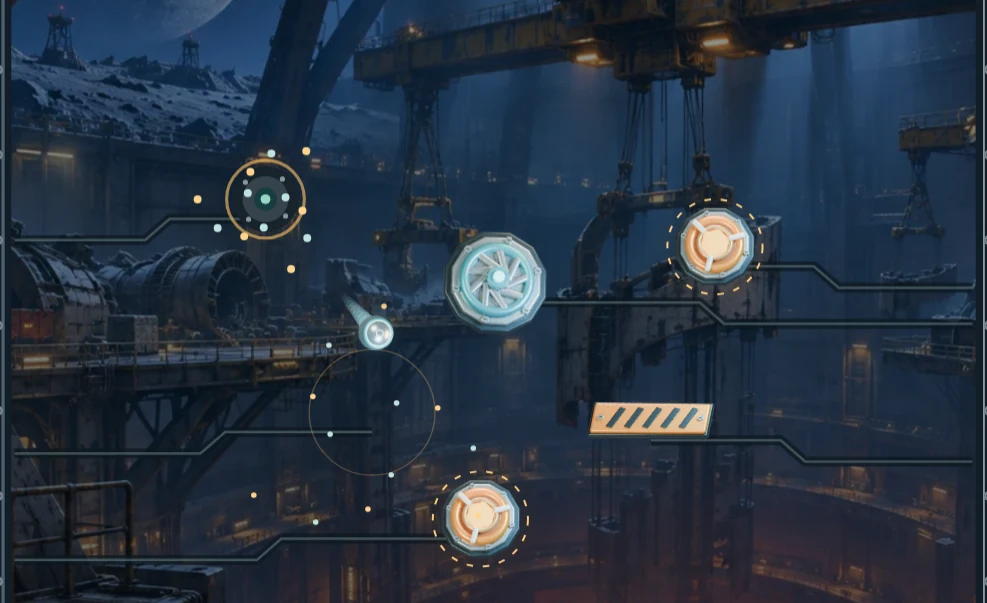
Aim a salvage probe through the chamber, bend its flight and recover the reactor couplings.
Play Wreck Lab ↗Four salvage contracts
Learn through play / Multiplication
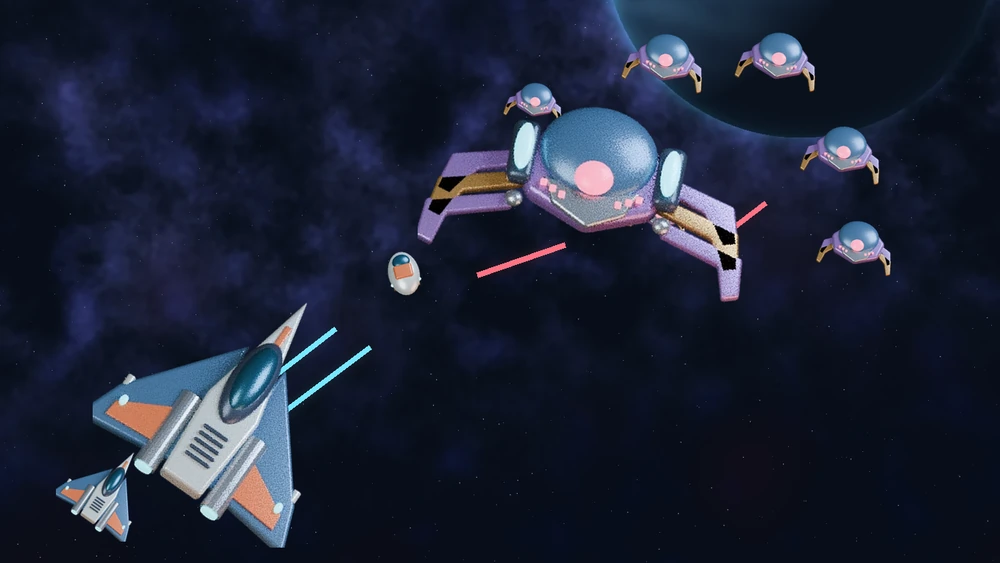
Shoot the ship showing the right product, then fly under its falling escape pod. Take on the wardens as the fleet closes in.
Play Times Tables Invaders ↗Ten sectors · Tables 2–12
Learn through play / Key Stage 2 fractions
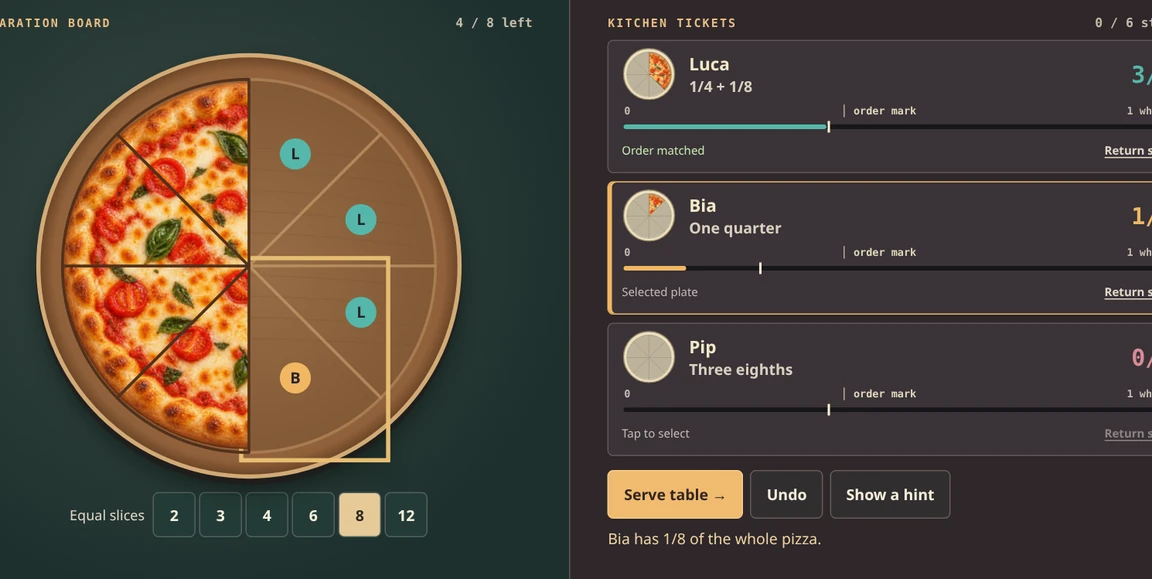
Share a pizza between the diners. Recut the same whole and serve each ticket with exactly the right fraction.
Play Fraction Quest ↗Six supper services
New / Earth Systems
Move the plates. Release a locked fault. Explore why some earthquakes send waves across an ocean.
Explore Earth Systems ↗Interactive cutaways · USGS & NOAA sources · No account
New / Knowhubs Observatory
Approach the cloud tops of Jupiter. Explore Saturn’s rings. Then switch to true scale and discover just how much space there is between worlds.
Launch Solar Atlas ↗3D exploration · NASA surface maps · JPL orbital model · No account
Live experiment 001 / Creative beta
Add a second influence. Drag it across the experiment or use the position sliders.
Preparing your experiment…
Start with Orbital ring. Open More controls and reduce gravity to zero. Can you explain why the particles leave along their current directions?
Choose Twin wells, then open More controls and show the force field. Move your own well between the sources. Where does the balance shift?
Choose Ember in More controls, then open Move a gravity well and add a well near the outer ring and watch the trails. Pause on a shape you like, then save your artwork.
A thousand paths. One change. Shape an orbit, split a stream, create something unexpected.
Particles follow a softened inverse-square field from fixed sources. Each particle feels those sources, but particles do not pull on each other. The display tilts a two-dimensional model for depth; it is not a full 3D universe, black-hole model or real mission planner.
Repulsor deliberately reverses the force: it is a fictional field, not normal gravity. Glows, trails and colours are artistic. Escaped particles are recycled at the edge of the model. Performance varies by device. Choose Light for fewer particles, or pause while exploring the controls. No audio, account, tracking or uploads are added by this experiment.
Read the underlying principles in NASA’s Gravity & Mechanics ↗.
Keep experimenting
Move from gravity to geometry, machines and structures. These are tools to explore, not just things to watch.
Creative / 2D → 3D
Draw a line. Give it depth. Rotate your creation and explore the difference between a drawing and a model.
Free creative tool · Drawings stay on your device
Open Spark StudioEngineering / Gear puzzle
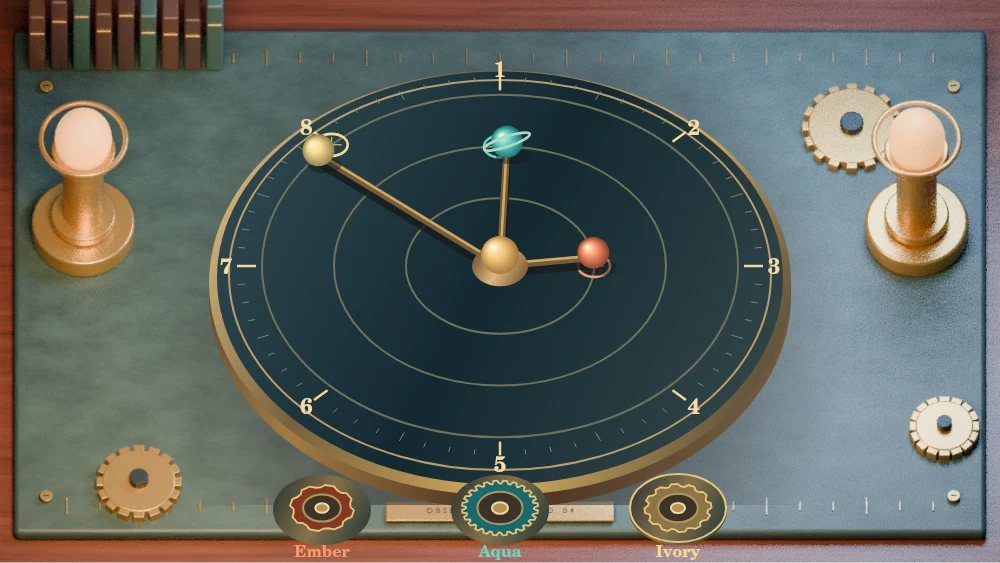
Fit drive wheels and reversing idlers to a brass orrery. Turn the handle and bring the planets into their charted windows.
Four alignment charts
Play Gear ShiftEngineering / Drawbridge
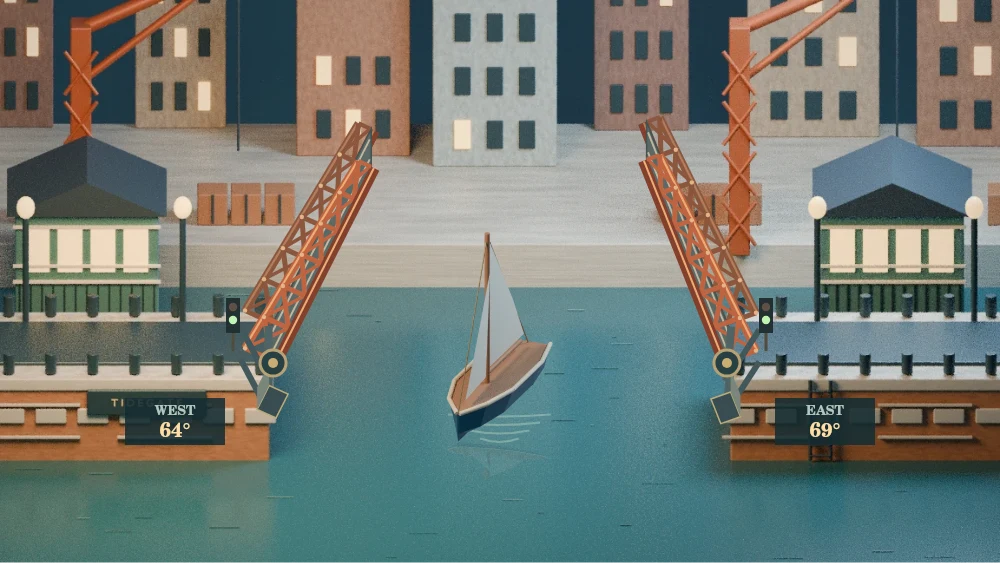
Shift the counterweights, raise both leaves for a ship and bring the deck level for the next tram.
Three drawbridge watches
Play Bridge WorksCreative mission / Spark Studio
Draw a loop, switch on Mirror, then give the lines depth. Rotate it sideways. Where does your imagined object stop matching the actual model?
Try a second version with a different line thickness. Compare the two, then save the image you prefer.
Make it in Spark Studio ↗Visual study / 001
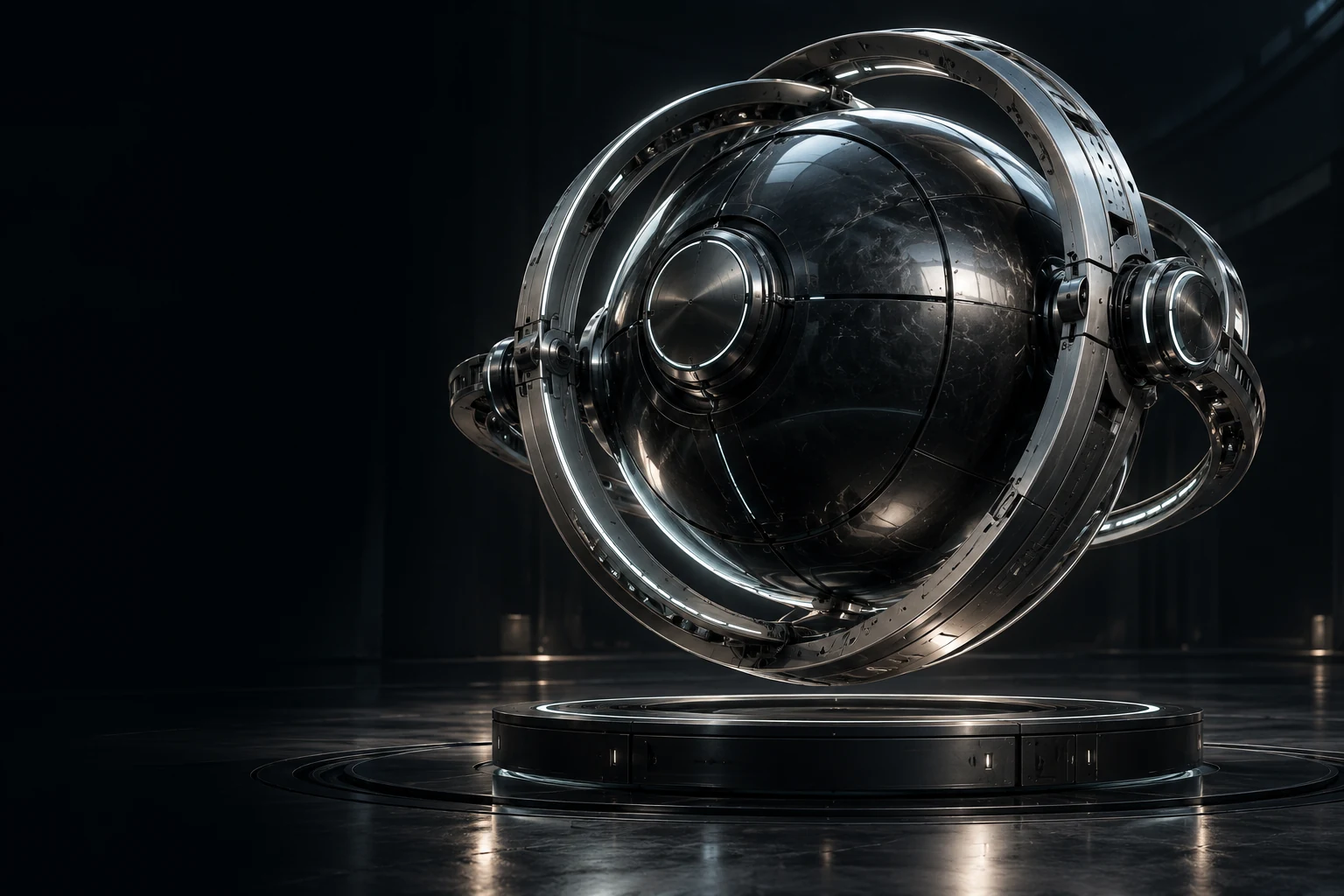
Turn over an original mechanical study of the Knowhubs mark. Three views, one curious starting point.
The Minute Machine / An elapsed-time experiment
One minute, one grain. Sixty grains make a part. Twenty-four parts complete a daily build.
Trace the 24 → 36 → 24 teeth: the outer gears turn at the same speed and in the same direction. The larger middle gear turns more slowly, in the opposite direction.
Illustrative simulation for curious minds aged 13+. Progress is calculated from your device’s clock since 30 September 2026, 00:00 UTC. Nothing runs while the page is closed; returning calculates where the display should be. Pausing stops motion, not elapsed time.
Reading your device clock…
Touching external gears rotate in opposite directions. The 24-tooth driver turns the 36-tooth middle gear at two-thirds of its speed. The third gear reverses direction again and matches the driver. Tooth outlines and material surfaces are illustrative, not manufacturing drawings.
A beautiful result is a starting point. Explore what the model captures and what it leaves out.